08/12/26
Ohio Bankers Foundation Launches Two New Community Education Programs
The Ohio Bankers Foundation is
expanding its community impact this year with the launch of two new
educational initiatives: Financial Success Seminars and Fraud Awareness
Seminars. Hosted by banks in their local communities in partnership with
OBL through the Foundation, the programs are designed to bring
practical, accessible education directly to Ohioans where they live and
work.
Through these seminars, participating
banks will have a turnkey way to strengthen customer relationships,
demonstrate leadership in financial wellness and help community members
make informed decisions. OBL and the Foundation support banks by
developing curriculum, coordinating instructors, assisting with event
planning and providing marketing resources, allowing banks to focus on
bringing people together and promoting the programs locally.
Financial Success Seminars
The Financial Success Seminars are
built to help individuals improve their financial literacy and
strengthen everyday money management skills, from budgeting and saving
to managing debt and planning for a stronger financial future. The
seminars are especially valuable for customers and community members who
want straightforward, real-world guidance they can put into practice
immediately.
By hosting these sessions, banks can
deepen their role as trusted financial partners while supporting broader
financial literacy efforts across Ohio. The program also creates
opportunities for banks to collaborate with community organizations,
local leaders and other financial institutions to extend their reach and
visibility.
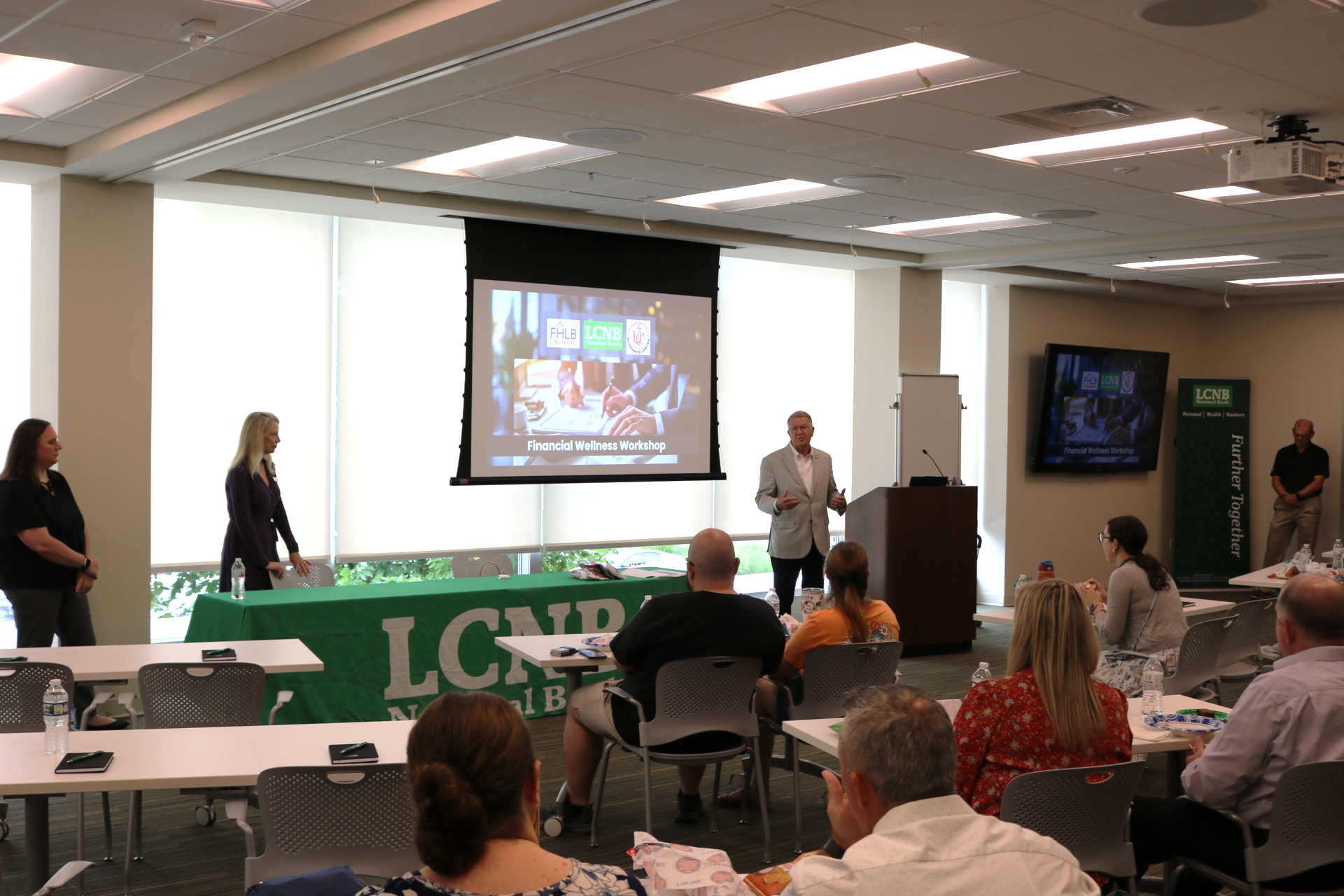
The first Financial Success Seminar was hosted this year by
LCNB National Bank in Lebanon. State Senator Steve Wilson and State
Representative Adam Mathews gave remarks to attendees highlighting the
emphasis the State of Ohio has placed on improving financial literacy in
our communities. Susan Heilmayer, Executive Director of the University
of Cincinnati Alpaugh Family Economics Center, then gave a robust
presentation on money and credit management tips and tricks.
Fraud Awareness Seminars
The Fraud Awareness Seminars respond to a growing need for
education around financial scams, identity theft and consumer
protection. These sessions will help community members recognize warning
signs, understand common fraud tactics and take practical steps to
protect themselves, their families and their finances.
With banks often serving as a first line of defense against
fraud, the seminars give institutions another way to equip customers and
neighbors with timely information. The program reinforces the banking
industry’s commitment to safeguarding consumers while strengthening
community trust.

The first Fraud Awareness Seminar was
hosted by The Killbuck Savings Bank in Millersburg. More than 75
attendees came out for a presentation by Monica Walker from the Ohio
Attorney General’s Office Elder Justice Unit and representatives from
Holmes County Jobs & Family Services/Adult Protective Services
discussing modern scam tactics and how individuals can recognize these
scams and protect themselves. Educational resources were distributed to
attendees from the Attorney General’s Office as well as the Federal
Trade Commission.
A Partnership Model for Greater Community Reach
Both programs are designed around a
simple partnership model: banks host the events in their communities,
while OBL and the Foundation provide the structure, resources and
support needed to deliver meaningful education. This includes lining up
the programming and assistance in marketing efforts. Banks may host
seminars individually or work with peer institutions and community
partners to broaden participation.
As the OBL Foundation grows these new
programs, banks across the state are encouraged to explore hosting
opportunities and help bring financial education and fraud prevention
resources to more Ohio communities.
Because every event varies in scope,
format, and scale, a modest cost is associated with hosting. We work
one-on-one with banks to determine the appropriate structure and level
of support, and pricing is calculated accordingly.
The investment in Financial Literacy Success Seminars is CRA eligible,
providing participating banks with an opportunity to support meaningful
community education while advancing their Community Reinvestment Act
goals.
If you are interested in learning more about hosting a seminar, contact Audra Johnson at ajohnson@ohiobankersleague.com.